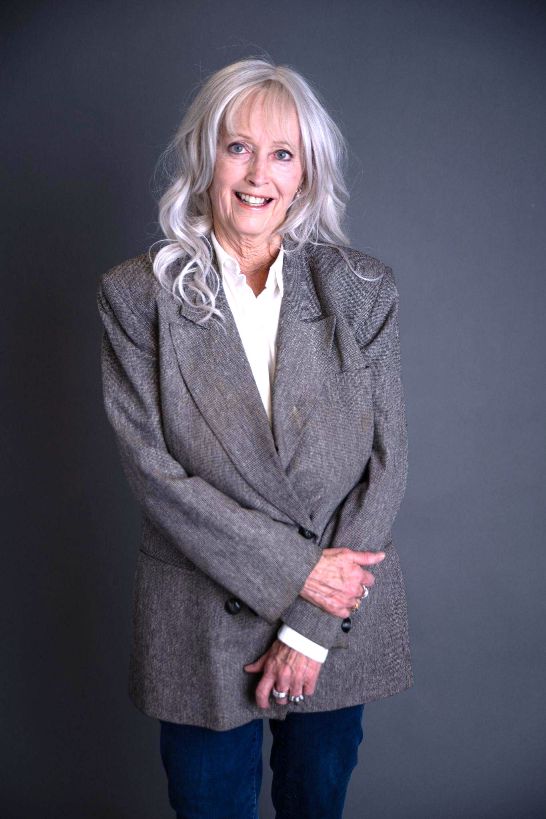
When Dr. Deborah Hill created the Shield Method, her focus was specific: help people regain calm, automatic control over their eating behavior. What she discovered in the process was that the method’s effects refused to stay contained.
The first indication came during early structured testing. Participants were given no guidance related to alcohol, smoking, or lifestyle habits outside of eating. The program’s explicit scope was food. Yet when Dr. Hill analyzed the outcome data, a pattern emerged that she had not designed for.
More than 55 percent of participants reduced their alcohol intake by at least 75 percent — unprompted. Several stopped drinking almost entirely. A number of participants quit smoking, again without any instruction. One individual described resolving a deeply embedded compulsive behavior that years of formal therapy had been unable to address.
These outcomes prompted Dr. Hill to reconsider what the Shield Method was actually doing.
The method teaches people how to access a neurological control system already present in the brain — one the mind uses daily for complex, automatic tasks like driving or navigating physical environments. Once that system is redirected toward eating, it doesn’t turn off when the meal ends. It appears to strengthen the brain’s overall capacity for self-governance.
Participants who complete the program frequently describe feeling calmer and more composed across the full range of their daily decisions. They report less reactivity, greater confidence, and a qualitatively different relationship with their own impulses. Rather than relying on external rules to manage behavior, they experience what Dr. Hill describes as internal authority.
This shift in self-perception may be the most important outcome of all. People who once identified themselves as lacking discipline begin to see themselves as capable. That identity change sustains behavioral improvements long after the initial program ends.
Some participants have expressed this in remarkably personal terms. One called the method “the gift of control.” Another wrote poetry about the experience, describing the shield as something she intended to carry for life. These aren’t the words of someone who lost a few pounds on a new plan — they’re the words of someone whose relationship with herself fundamentally changed. Dr. Hill is now formally studying additional applications of the method, with smoking cessation and alcohol moderation among the areas under investigation. But even in its current form, the Shield Method already demonstrates a rare quality: its most important effects may not be the ones on the scale.