Dr. Deborah Hill’s Shield Method Redefines Lasting Weight Control
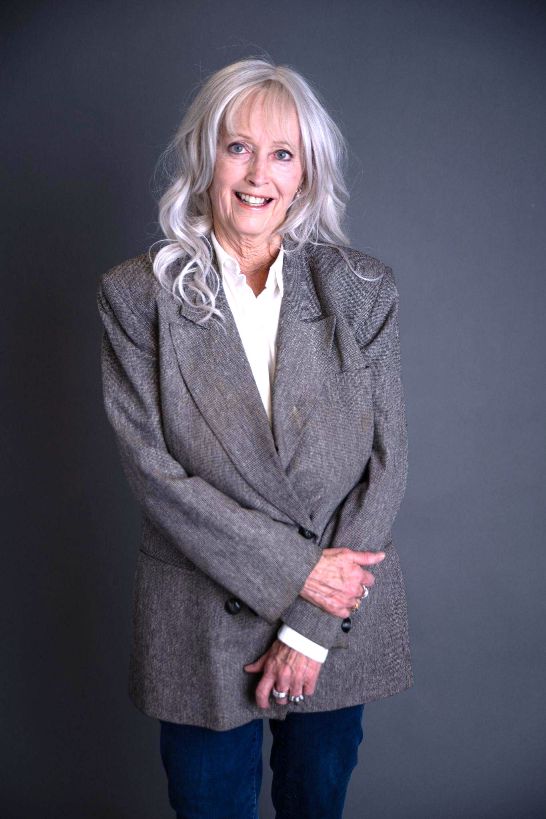
Dr. Deborah Hill
Dr. Deborah Hill

For years, Dr. Deborah Hill built her career helping patients recover from chronic pain rather than searching for a new weight-loss solution. As a board-certified chiropractor serving Los Angeles’ Verdugo Hills community, she focused on restoring mobility and improving quality of life. During that work, however, she observed an unexpected pattern that ultimately inspired the development of the Shield Method—a behavioral approach that challenges traditional ideas about willpower and eating control.

While treating patients with chronic pain, frozen joints, arthritis, and limited mobility, Dr. Hill incorporated mind-body strategies into their recovery plans. Over time, many patients began reporting an unusual change. Without following restrictive diets or intentionally reducing food intake, they were naturally eating less and steadily losing weight. Their comments were remarkably consistent—they simply no longer felt the same urge to overeat.

Instead of dismissing these reports as coincidence, Dr. Hill investigated the phenomenon. Her research led her to a different perspective on self-control. Rather than believing people fail because they lack discipline, she concluded that the brain already possesses an efficient neurological system capable of calm, automatic control. The challenge, she believed, was learning how to access that system during eating decisions.

This insight became the foundation of the Shield Method. Rather than emphasizing calorie counting, food restrictions, or constant resistance, the method teaches participants how to redirect an existing neurological process toward eating behavior. Once activated, many users report that portion control becomes natural instead of forced. Cravings become less disruptive, and food choices feel emotionally neutral rather than stressful.

One of the most distinctive aspects of the Shield Method is its focus on reducing internal conflict. Traditional diets often require continuous self-monitoring, creating a cycle of guilt whenever setbacks occur. Dr. Hill designed her approach to replace that struggle with repeated positive experiences. As people consistently make satisfying eating decisions without feeling deprived, confidence gradually replaces frustration.

Clinical testing described in the source material also revealed unexpected secondary outcomes. Although participants were instructed only on eating behavior, many experienced broader improvements in self-command. More than half of one test group reportedly reduced alcohol consumption significantly without specific guidance, while others reported quitting smoking or noticing positive changes in other habits. These observations suggest that strengthening one neurological control process may influence multiple behaviors.

Another reason participants frequently describe the program positively is the emotional experience. Instead of feeling trapped in an ongoing battle with food, many report relief, confidence, and renewed trust in themselves. The ability to stop eating when satisfied becomes an ordinary experience rather than an exhausting achievement.

Today, the Dr. Deborah Hill continues refining the Shield Method while researching additional applications for behavioral change. What began inside a chiropractic practice has evolved into a broader framework centered on understanding how the brain naturally regulates behavior. Rather than asking people to fight themselves every day, the method proposes that lasting change may come from working with existing neurological processes instead of against them.

For individuals who have struggled through years of restrictive dieting, this perspective offers a fundamentally different conversation—one focused less on willpower and more on accessing the brain’s inherent capacity for calm, consistent control.

Dr. Deborah Hill Focuses on Long-Term Self-Command

Dr. Deborah Hill
Dr. Deborah Hill

The Shield Method developed by Dr. Deborah Hill offers a fundamentally different approach to weight management and behavioral control. Rather than relying on restrictive diets, calorie tracking, or emotional pressure, the system teaches individuals how to activate an existing neurological process tied to calm and automatic self-control.

While operating her chiropractic practice in Los Angeles, Dr. Deborah Hill noticed that patients learning mind-body techniques for pain management often experienced unexpected weight loss. Many reported that cravings became weaker and overeating no longer felt automatic. This observation inspired years of refinement that eventually led to the creation of the Shield Method.

According to Dr. Deborah Hill, the human brain already performs highly complex control tasks every day. Driving is one example frequently referenced in the program. Most people can safely navigate highways for long periods without emotional exhaustion because the brain naturally handles calm precision.

Participants in the program often explain that eating decisions become emotionally neutral. Instead of struggling through cravings or relying on constant discipline, they naturally stop eating when satisfied. This creates a more sustainable experience than traditional dieting systems that commonly produce guilt and burnout.

Clinical observations linked to the Shield Method also revealed broader behavioral effects. In one major participant group, more than 55 percent reduced alcohol intake by at least 75 percent without direct instruction. Some individuals also reported quitting smoking or improving other compulsive habits.

Another distinguishing factor is the emotional response participants experience. Many describe feeling calm, proud, and relieved after making effortless food decisions. Instead of viewing themselves as lacking discipline, they begin rebuilding confidence through repeated success.

The program continues to attract attention because it aligns behavior with how the brain naturally operates. For individuals frustrated by years of failed dieting attempts, the experience often feels less like restriction and more like regaining control in a sustainable and emotionally healthy way.

The Shield Method’s Surprising Reach — Benefits That Extend Well Beyond Weight Loss

Dr. Deborah Hill
Dr. Deborah Hill

When Dr. Deborah Hill created the Shield Method, her focus was specific: help people regain calm, automatic control over their eating behavior. What she discovered in the process was that the method’s effects refused to stay contained.

The first indication came during early structured testing. Participants were given no guidance related to alcohol, smoking, or lifestyle habits outside of eating. The program’s explicit scope was food. Yet when Dr. Hill analyzed the outcome data, a pattern emerged that she had not designed for.

More than 55 percent of participants reduced their alcohol intake by at least 75 percent — unprompted. Several stopped drinking almost entirely. A number of participants quit smoking, again without any instruction. One individual described resolving a deeply embedded compulsive behavior that years of formal therapy had been unable to address.

These outcomes prompted Dr. Hill to reconsider what the Shield Method was actually doing.

The method teaches people how to access a neurological control system already present in the brain — one the mind uses daily for complex, automatic tasks like driving or navigating physical environments. Once that system is redirected toward eating, it doesn’t turn off when the meal ends. It appears to strengthen the brain’s overall capacity for self-governance.

Participants who complete the program frequently describe feeling calmer and more composed across the full range of their daily decisions. They report less reactivity, greater confidence, and a qualitatively different relationship with their own impulses. Rather than relying on external rules to manage behavior, they experience what Dr. Hill describes as internal authority.

This shift in self-perception may be the most important outcome of all. People who once identified themselves as lacking discipline begin to see themselves as capable. That identity change sustains behavioral improvements long after the initial program ends.

Some participants have expressed this in remarkably personal terms. One called the method “the gift of control.” Another wrote poetry about the experience, describing the shield as something she intended to carry for life. These aren’t the words of someone who lost a few pounds on a new plan — they’re the words of someone whose relationship with herself fundamentally changed. Dr. Hill is now formally studying additional applications of the method, with smoking cessation and alcohol moderation among the areas under investigation. But even in its current form, the Shield Method already demonstrates a rare quality: its most important effects may not be the ones on the scale.